

Cats have earned a reputation for being enigmatic, independent, and sometimes plain confusing. One minute your cat is purring peacefully on your lap; the next, they are darting across the room at full speed or lightly nipping your hand. Understanding feline behavior does not require a degree in animal psychology, but it does demand a keen eye for subtle physical cues and daily routines.
By applying a few simple cat care tips, you can quickly learn to read your pet’s body language, create a stress-free environment, and strengthen your bond with your feline friend.
Key Takeaways
- Tail Language Speaks Volumes: An upright tail with a slight curve means a happy cat, while a twitching or thumping tail indicates annoyance or overstimulation.
- Environmental Consistency: Cats thrive on routine; predictable feeding, play, and litter box cleaning significantly reduce feline anxiety.
- Vocalizations Have Meaning: Meows are almost exclusively reserved for communicating with humans, ranging from polite greetings to urgent demands.
- Respect Personal Space: Forcing affection can trigger fear or defensive aggression; let your cat initiate contact on their terms.
Decoding Feline Body Language: What Your Cat Is Really Saying
Understanding feline communication starts with observing body language. Cats communicate primary emotional states through their eyes, ears, and tail.
The Eyes and Ears
A relaxed, confident cat will have wide, soft eyes and ears facing forward. If you notice your cat giving you a slow, deliberate blink, take it as the ultimate compliment—in feline language, a slow blink signals complete trust and affection.
Conversely, flattened ears (often called “airplane ears”) paired with dilated pupils indicate fear, defensiveness, or heightened aggression. When you observe these signs, give your cat space to calm down.
Tail Movements and Signals
A cat’s tail acts as a barometer for their mood:
- Held High: Happy, confident, and ready to interact.
- Tucked Away or Low: Anxious, fearful, or feeling insecure.
- Twitching or Thumping: Frustrated, overstimulated, or excited. Stop petting immediately if the tail begins to thump against the furniture.

Creating a Stress-Free Daily Routine
Environmental structure plays a huge role in feline behavior. Incorporating simple cat care tips into your daily routine helps eliminate unnecessary stress that often leads to unwanted behaviors, such as scratching furniture or missing the litter box.
1. Consistent Feeding Schedules
Cats are creatures of habit. Feeding your cat at the same times each day creates structure. Pair mealtime with high-quality options tailored to their age, and check out reliable resources like the cat .
2. Interactive Play Sessions
Indoor cats require mental and physical stimulation to prevent boredom and anxiety. Dedicate 10 to 15 minutes twice a day to interactive play using wand toys, laser pointers, or feather teasers. Play mimics hunting behavior, allowing cats to release built-up physical energy safely.
3. Dedicated Safe Zones
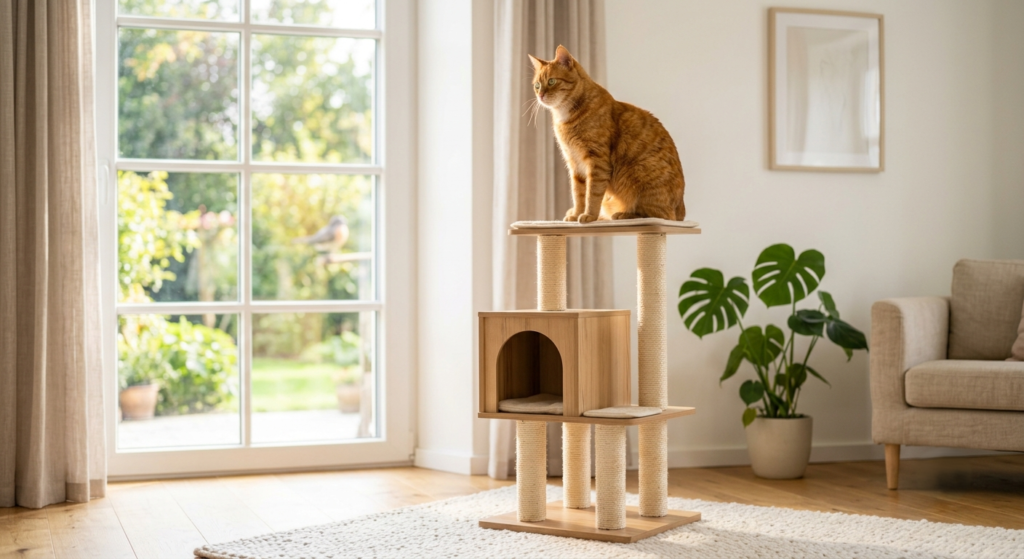
Every house cat needs a sanctuary—a quiet space with elevated perches, a comfortable bed, and easy access to fresh water. Vertical territory, such as cat trees or wall shelves, allows them to observe their surroundings safely from above.
Common Behavioral Issues and How to Solve Them
When behavioral challenges arise, owners often mistake distress signals for spite. Applying proactive, simple cat care tips can resolve the vast majority of common issues.
+---------------------+-------------------------------+-----------------------------------+
| Behavioral Issue    | Likely Cause                  | Recommended Solution              |
+---------------------+-------------------------------+-----------------------------------+
| Litter Box Avoidance| Dirty box, medical condition  | Clean daily; place in quiet zone; |
|                     | or location preference        | consult a veterinarian            |
+---------------------+-------------------------------+-----------------------------------+
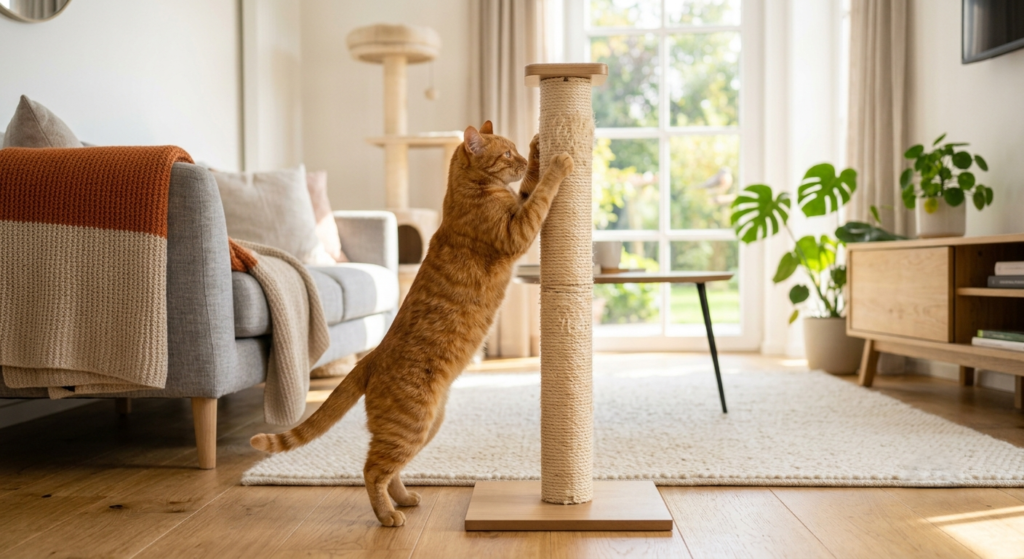
| Furniture Scratching| Marking territory or shedding | Provide stable sisal posts near   |
|                     | outer claw sheaths            | sleeping/scratching areas         |
+---------------------+-------------------------------+-----------------------------------+
| Nighttime Zoomies   | Excess unspent energy         | Play intensely before evening     |
|                     |                               | meal to reset sleep cycle         |
+---------------------+-------------------------------+-----------------------------------+
If your cat exhibits sudden behavioral changes—such as missing the litter box entirely—it is vital to rule out medical issues first. Learn more about maintaining overall wellness in our detailed guide on [Internal Link: Daily Cat Health and Nutrition Essentials].
Building Trust Through Positive Reinforcement
Building a lasting bond with your feline companion requires patience and positive reinforcement. Never punish a cat physically or vocally for unwanted behavior; this only breaks trust and increases fear-induced aggression.
- Reward Good Behavior: Use small treats, gentle praise, or chin scratches when your cat uses their scratching post or settles calmly near you.
- Let Them Initiate: Allow your cat to approach you first. Offer an outstretched finger at nose level; if they sniff and rub their cheek against it, they are inviting further interaction.
- Recognize Overstimulation: Watch for subtle warning signs while petting—a tail twitch, rippling skin along the back, or flattened ears mean it’s time to stop.
Conclusion
Understanding your cat does not happen overnight, but reading their subtle cues makes the journey rewarding. By watching their body language, establishing a routine, and using these simple cat care tips, you create an environment where your pet feels safe, respected, and deeply understood. Focus on consistency, respect their personal space, and enjoy the quiet moments of connection with your feline companion.
Frequently Asked Questions
What are the most basic simple cat care tips for new owners?
The most fundamental care tips include establishing a predictable feeding schedule, keeping the litter box meticulously clean, providing vertical spaces, and engaging in daily interactive play to manage stress.
How do I know if my cat is happy or stressed?
A happy cat holds their tail high with a soft curve, blinks slowly at you, and maintains a relaxed body posture. A stressed cat may hide frequently, flatten their ears, thump their tail, or exhibit sudden changes in eating or litter box habits.
Why is my cat suddenly showing behavior changes?
Sudden changes in behavior—such as aggression, vocalizing excessively, or avoiding the litter box—are often early warning signs of underlying medical issues or environmental stress. Always consult your veterinarian if behavior changes suddenly.
How does this draft look for your site? I can adjust any section or help draft content for another category whenever you’re ready!